
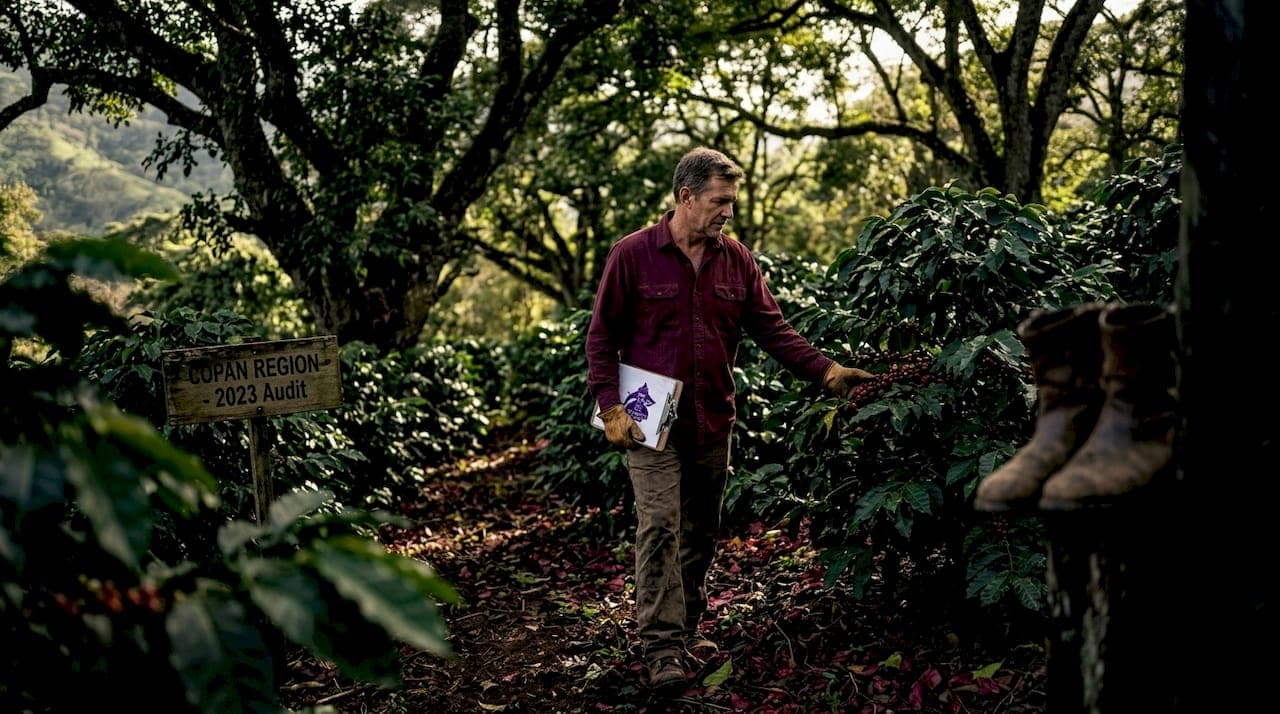
Not all organic coffee is created equal, and the region where it grows tells you almost everything. The organic coffee growing regions list you'll find here goes beyond country names. It covers the specific zones, certification realities, soil conditions, and flavor profiles that separate genuinely sustainable coffee from clever marketing. Whether you're a grower evaluating where to source or an enthusiast who wants to know what's actually in your cup, this guide gives you a working framework to assess every major organic coffee farming area in the world.
Table of Contents
- Key takeaways
- 1. The organic coffee growing regions list: what it covers and why it matters
- 2. Top organic coffee regions in the Americas
- 3. Top organic coffee regions in Africa
- 4. Top organic coffee regions in Asia-Pacific
- 5. Global comparison of top organic coffee regions
- My take on where organic coffee regions are heading
- Discover organic coffee sourced with real integrity
- FAQ
Key takeaways
| Point | Details |
|---|---|
| Region shapes organic quality | Altitude, soil health, and biodiversity directly determine both certification success and cup flavor. |
| Certification requires documentation | USDA and EU organic standards demand annual audits, traceability records, and a 3-year transition period. |
| Americas lead in volume | Brazil and Colombia dominate certified organic output, with Peru emerging as a high-potential region. |
| Africa excels in cooperative models | Ethiopia and Kenya use smallholder cooperatives with strong traceability to maintain organic integrity. |
| Asia-Pacific relies on ICS | Indonesia and India use Internal Control Systems to certify dispersed smallholders cost-effectively. |
1. The organic coffee growing regions list: what it covers and why it matters
Before you can use any coffee cultivation regions list effectively, you need a framework for what makes a region genuinely organic versus one that simply markets itself that way. The criteria fall into four categories: environmental conditions, certification standards, sustainability practices, and traceability infrastructure.
Environmental factors are the foundation. Altitude above 1,200 meters slows cherry development and concentrates sugars. Rich volcanic or loamy soils with active microbial communities produce enhanced nutrient availability that no synthetic fertilizer can replicate. Shade canopy from agroforestry systems protects biodiversity and reduces erosion, which matters enormously for long-term soil health.
Certification and traceability are where most confusion lives. The USDA National Organic Program requires a 3-year transition period, annual audits, and full traceability from farm to roastery. Cost-share programs can reduce certification fees by up to 75%, but the documentation burden is real. EU Organic standards add deforestation compliance requirements on top.
Sustainability practices go beyond avoiding synthetic chemicals. Agroforestry, composting, and biological pest management are the practices that separate regions with genuine organic integrity from those in transition. Organic coffee audits verify compost use, buffer zones, pest logs, and soil testing. A farm can lose certification if field conditions don't match its documentation.
Pro Tip: When evaluating any organic coffee source, ask for the certifier's name and the most recent audit year. A legitimate organic farm can name both without hesitation.
Digital traceability is becoming a fourth pillar. GPS plot mapping and input logs now support compliance with both EU Deforestation Regulation and organic certification, making technology adoption a competitive advantage for growers in any region.
2. Top organic coffee regions in the Americas
The Americas produce the largest volume of certified organic coffee globally, anchored by Brazil and Colombia but supported by a network of smaller, high-quality producers across Central and South America.
Brazil is the world's second-largest certified organic coffee producer. The states of Minas Gerais and Espírito Santo lead production, with 70 to 80% of certified output coming from smallholders using diverse agroforestry systems. São Paulo and Bahia are growing in significance, particularly as climate-resilient varieties like Sarchimor and Obatã expand into the Cerrado frontier. Brazilian organic lots tend toward nutty, chocolatey profiles with low acidity, making them crowd favorites for espresso blends.
Colombia brings a different profile entirely. The departments of Nariño and Huila sit at elevations above 1,700 meters, producing bright, fruit-forward coffees with complex acidity. Colombian certification rigor is high, and cooperatives in these departments have developed strong internal audit cultures. The flavor difference between a certified organic Nariño and a conventional one from the same altitude is noticeable in the cup.
Central America punches above its weight in organic specialty coffee. Costa Rica has built sustainability into its national coffee identity, with microclimates in regions like Tarrazú and the Central Valley supporting clean, balanced organic lots. Guatemala's Huehuetenango and Honduras's Copán are also producing certified organic coffees with growing export infrastructure.
Peru is the most underrated region on this list. The Cajamarca, Junín, and San Martín regions host thousands of smallholder organic farms, many certified under cooperative ICS models. The challenge is infrastructure. Remote farms struggle with documentation consistency, but the flavor potential, floral, delicate, and tea-like, is exceptional for buyers willing to work with the supply chain complexity.
3. Top organic coffee regions in Africa
Africa's organic coffee story is less about volume and more about depth. Traditional farming methods in many African regions are inherently low-input, which creates a natural foundation for organic certification. The challenge is formalizing what already exists.
Ethiopia is the origin of Arabica coffee and arguably the most important country on any best organic coffee regions list. Yirgacheffe, Sidama, and Guji are the flagship zones. The Gedeo Zone's smallholder cooperatives are particularly well-documented. Cooperatives like those in Hama municipality manage over 2,000 farmers under organic and fair trade standards, with traceability systems that track coffee from individual plots to export containers. Ethiopian organic coffees are known for jasmine, bergamot, and stone fruit notes that are nearly impossible to replicate elsewhere.
Kenya operates differently. Its cooperative system, anchored by the Kenya Cooperative Creameries and factory-level wet mills, creates natural traceability infrastructure. Organic certification in regions like Kirinyaga and Nyeri is growing, particularly among specialty-focused cooperatives. Kenyan organic lots carry the country's signature blackcurrant and tomato acidity, which is striking and polarizing in the best way.
Uganda and Burundi are emerging on the organic coffee sourcing regions map. Uganda's Mount Elgon and Rwenzori regions have active organic certification programs, often supported by international development organizations. Burundi's cooperative model is strong but faces political and infrastructure instability that complicates consistent certification. Both countries produce coffees with bright citrus and red fruit profiles that reward patient buyers.
Pro Tip: When sourcing African organic coffees, prioritize cooperatives that publish their certifier name and audit year publicly. Traceability transparency is the clearest signal of genuine organic commitment in this region.
4. Top organic coffee regions in Asia-Pacific
Asia-Pacific is the most diverse region on this list in terms of both geography and certification approach. The challenges here are real, but so is the opportunity for buyers who understand how certification actually works at scale.
Indonesia is the dominant player. Sumatra's Aceh and Lintong regions, along with Bali's Kintamani plateau, are the most recognized organic coffee farming areas in the country. Indonesia pioneered the use of Internal Control Systems for smallholder organic certification, allowing cooperatives to manage compliance through farmer training, internal inspections, and mass balance controls without requiring individual farm inspections. This model makes certification accessible to thousands of farmers who could never afford individual audits. Sumatran organic coffees are earthy, full-bodied, and low-acid. Kintamani lots are lighter and more fruit-forward.
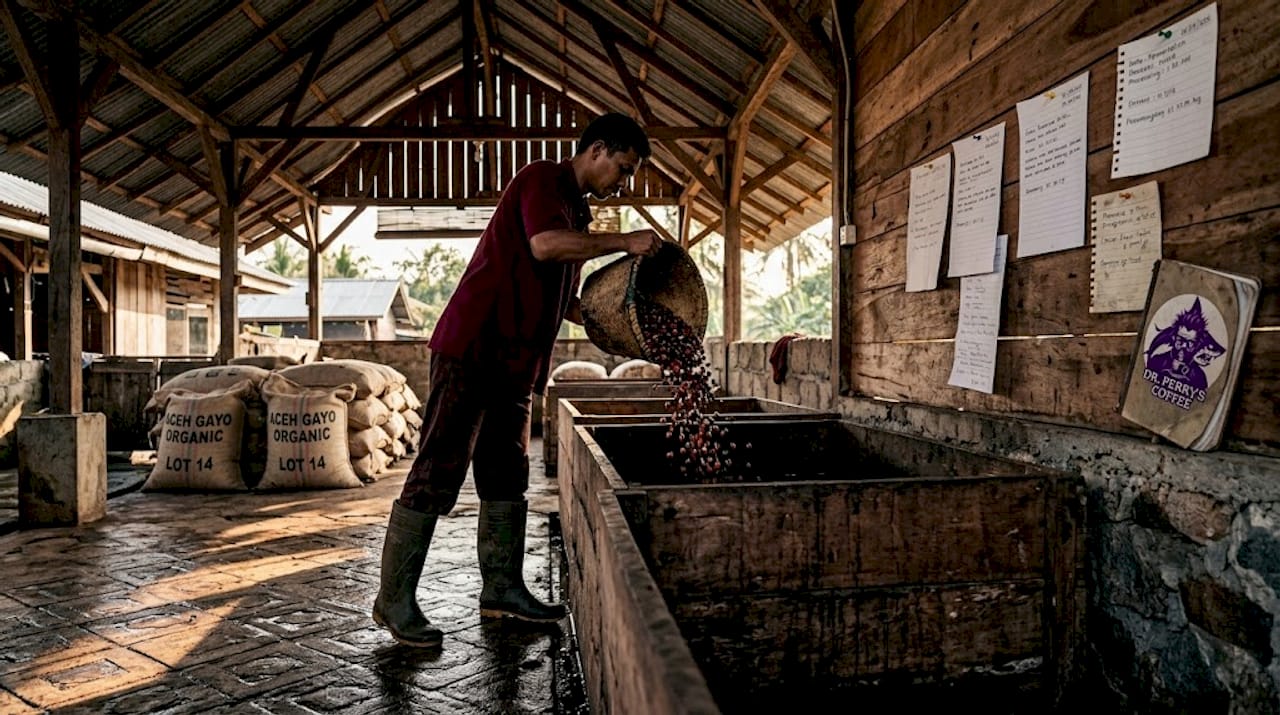
India is a rising force in organic specialty coffee. The Chikmagalur and Coorg regions of Karnataka produce shade-grown organic coffees under dense forest canopy. India's organic certification infrastructure is well-developed compared to many producing countries, and the country has a strong domestic organic standards body. Indian organic coffees offer spice, dark chocolate, and mild fruit notes that work exceptionally well in filter brewing.
Vietnam is a more complicated case. It is the world's second-largest coffee producer overall, but organic certification penetration remains low. Most production is Robusta, and the input-intensive farming culture makes the transition period genuinely difficult. That said, the Central Highlands' Arabica-growing pockets around Da Lat are producing small volumes of certified organic coffee with floral and fruit characteristics that surprise first-time tasters.
The biggest challenge across Asia-Pacific is digital traceability. Paper-based recordkeeping systems hinder GPS data collection and soil health records at scale, particularly among older smallholder farmers with limited connectivity. Cooperatives investing in mobile data collection tools are pulling ahead in export readiness.
5. Global comparison of top organic coffee regions
Use this table as a quick-reference tool when evaluating regions for sourcing or study. It covers the variables that matter most for organic coffee decision-making.
| Region | Altitude range | Primary certification | Cooperative presence | Flavor profile |
|---|---|---|---|---|
| Brazil (Minas Gerais) | 900–1,200m | USDA Organic, IBD | Moderate | Chocolate, nuts, low acid |
| Colombia (Nariño/Huila) | 1,600–2,000m | USDA Organic, Fairtrade | Strong | Citrus, red fruit, bright acid |
| Peru (Cajamarca/Junín) | 1,500–2,000m | USDA Organic, EU Organic | Strong (ICS) | Floral, tea-like, delicate |
| Ethiopia (Yirgacheffe) | 1,700–2,200m | EU Organic, Fairtrade | Very strong | Jasmine, bergamot, stone fruit |
| Kenya (Kirinyaga) | 1,500–1,800m | EU Organic, Rainforest Alliance | Strong | Blackcurrant, tomato, bright |
| Indonesia (Sumatra) | 1,000–1,500m | USDA Organic (ICS) | Moderate | Earthy, full-body, low acid |
| India (Karnataka) | 900–1,500m | NPOP, EU Organic | Moderate | Spice, dark chocolate, mild fruit |
The table reveals a pattern worth noting. Regions with strong cooperative presence consistently achieve more reliable organic certification outcomes. The cooperative model creates shared accountability for documentation, which is what organic market transparency demands. Harvest year, farm origin, and certifier details matter as much as the USDA Organic logo itself.
My take on where organic coffee regions are heading
I've spent years tracking how organic coffee certification evolves across regions, and the most important shift I'm watching right now is not geographic. It's digital. The farms and cooperatives that are investing in GPS mapping, mobile input logs, and digital audit trails are going to dominate organic export markets within the next five years. Not because buyers demand it yet, but because regulators will.
The EU Deforestation Regulation is the clearest signal. It requires plot-level traceability for coffee entering the EU market, and organic certification bodies are already aligning their audit frameworks with that standard. Regions that built their organic credibility on paper-based systems are going to face real pressure.
What I find genuinely encouraging is the resilience of cooperative models in Ethiopia and Peru. These are not technologically sophisticated operations in most cases, but they have built cultures of collective accountability that translate well into digital systems when the tools arrive. The hardest part of organic certification is not the technology. It is the trust.
For new growers exploring organic regions, my honest advice is to start with the cooperative, not the country. A well-run cooperative in a mid-tier region will outperform a poorly managed operation in a famous one every time.
— Chris
Discover organic coffee sourced with real integrity

At Drperryscoffee, every small-batch roast starts with a sourcing decision grounded in the same criteria this article covers: certified origin, traceable supply chains, and farms that treat soil health as a long-term investment. The brand pairs each roast with original artwork from independent horror artists, but the coffee itself earns its place on merit. If you want to experience what genuinely sourced organic coffee tastes like, explore the current roast selection at Drperryscoffee. Each bag ships carbon-neutral, comes in recyclable packaging, and represents a sourcing choice you can actually trace back to the region it came from.
FAQ
What countries produce the most organic coffee?
Brazil, Ethiopia, Colombia, Peru, and Indonesia are consistently among the top organic coffee countries by volume. Brazil leads in certified output, while Ethiopia leads in cooperative-based traceability and flavor complexity.
How do I know if organic coffee is genuinely certified?
Look for the certifier's name, the most recent audit year, and the farm or cooperative origin on the label. A USDA Organic logo alone is not sufficient. Authentic organic coffee sourcing regions produce documentation that goes well beyond a single logo.
What is an Internal Control System in organic coffee certification?
An ICS allows smallholder cooperatives to manage organic compliance collectively through internal inspections and farmer training, rather than requiring individual farm audits. It is the primary certification model used in Indonesia and Peru.
Does altitude affect organic coffee quality?
Yes. Higher altitudes slow cherry development, concentrate sugars, and create the conditions for complex flavor compounds. Most top organic coffee growing regions sit above 1,200 meters, with the best specialty lots coming from 1,600 meters and above.
How does climate change affect organic coffee regions?
Rising temperatures are pushing traditional coffee cultivation zones to higher elevations and forcing growers to adopt climate-resilient varieties. In Brazil, regions like Cerrado and Bahia are expanding as Minas Gerais faces increasing heat stress, requiring adaptation in both farming practice and variety selection.